
This suggests tuna may run the “maintenance programs” of sleep — like synaptic repair and clearance — while awake. Uncovering these adaptations could open new paths to protect the human brain from not only sleep deprivation, but also from cognitive decline caused by injury, aging, or disease.
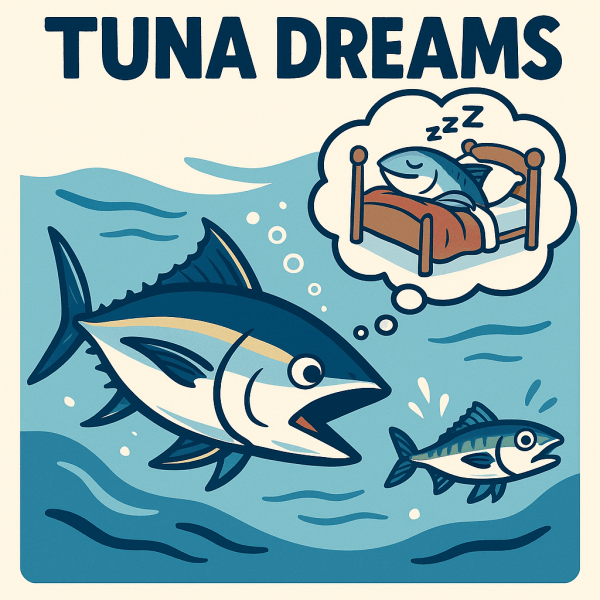
Tuna Dreams: Healing the Brain Without Sleep
 iHack, therefore iBlog